


The Impact of Engine Oil Changes on Vehicle Performance in Bengaluru
Regular engine oil changes play a crucial role in maintaining vehicle performance, especially in the hustle and bustle of busy cities like Bengaluru. Many vehicle owners may overlook this essential maintenance task, thinking it’s an unnecessary expense. However, understanding the significance of timely oil changes can lead to better performance, enhanced fuel efficiency, and extended vehicle lifespan. In this blog, we will delve into the various impacts of engine oil changes on vehicle performance, particularly for drivers navigating Bengaluru’s unique driving conditions.
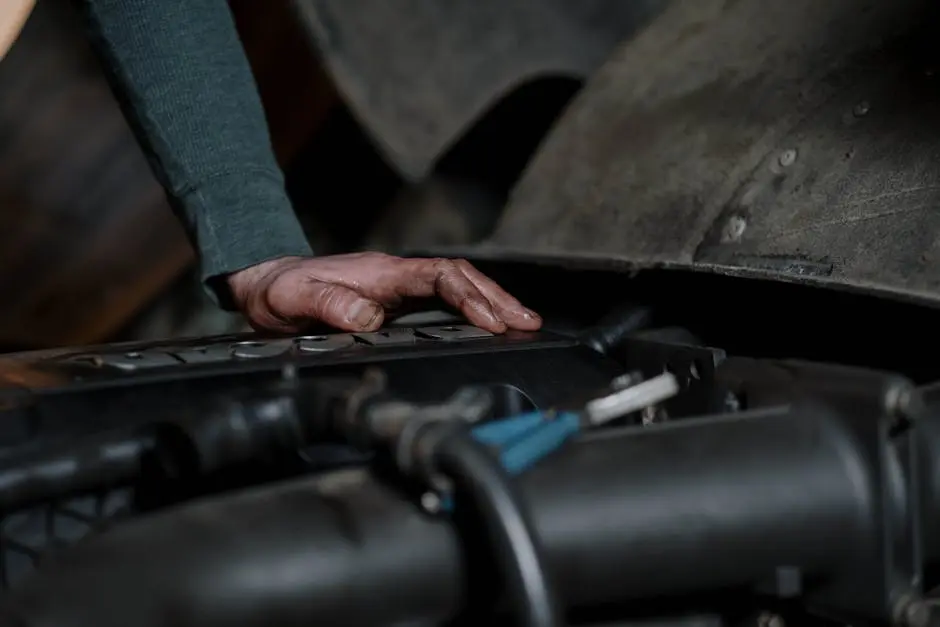
Understanding Engine Oil and Its Functions
Engine oil is the lifeblood of your vehicle, playing a fundamental role in its operation. It provides essential lubrication to the moving parts of the engine, reducing friction and wear over time. More than just lubrication, engine oil also serves as a coolant, absorbing heat generated during combustion. This helps maintain optimal operating temperatures, which is especially crucial in the warm climate of Bengaluru.
Furthermore, engine oil carries away contaminants and debris created through the natural wear of engine components. By trapping these particles, the oil keeps the engine cleaner and functioning more efficiently. It’s essential to choose the right type of engine oil, as different formulations have varying properties designed to meet the specific needs of your vehicle. Understanding these functions will help you grasp why regular oil changes are necessary.
Finally, engine oil’s viscosity plays a significant role in your vehicle’s performance. With the right viscosity, the engine runs smoothly and efficiently, whether you’re commuting to work or navigating Bengaluru’s heavy traffic. Knowing how oil interacts with engine components guides you towards better maintenance practices.
How Frequent Should You Change Engine Oil?
Determining the frequency of engine oil changes can be a bit tricky. Generally, manufacturers recommend changing engine oil every 5,000 to 7,500 kilometers. However, this can vary based on driving habits, oil type, and environmental conditions. For instance, if you frequently drive in stop-and-go traffic, which is common in Bengaluru, consider changing your oil more often to ensure optimal performance.
Moreover, synthetic oils often have longer change intervals compared to conventional oils. If you’re using a high-quality synthetic oil, you might only need to change it every 10,000 kilometers. But remember, regular inspections are necessary to monitor the condition of the oil, as various factors like extreme weather and driving conditions can impact its effectiveness.
Being attentive to the performance of your engine oil is vital. If you notice changes in engine noise or performance, it might be a sign that it’s time for an oil change, regardless of mileage. Paying attention to these indicators can prevent more significant issues down the line.
The Benefits of Regular Engine Oil Changes
Regular engine oil changes provide myriad benefits that directly impact vehicle performance and longevity. One of the most notable advantages is improved fuel efficiency. Fresh oil reduces friction among engine components, allowing your vehicle to run more smoothly, which ultimately translates to lower fuel consumption. In a bustling city like Bengaluru, where fuel costs can add up due to traffic congestion, this aspect can lead to substantial savings over time.
Equally important is the enhancement in engine performance. A well-lubricated engine operates at peak efficiency, ensuring that you experience smoother acceleration and better overall handling. Additionally, regular oil changes contribute to a cleaner engine, as fresh oil effectively traps dirt and debris, which might otherwise accumulate and cause potential damage.
Moreover, routine oil changes can significantly extend the lifespan of your vehicle. An engine running on clean, fresh oil is less prone to wear and tear, increasing its durability and reliability. This is particularly vital in conditions of high traffic and heat, where the engine faces increased stress. Therefore, investing time and money in regular oil changes translates to long-term benefits.
The Consequences of Neglecting Engine Oil Changes
Neglecting engine oil changes can lead to a cascade of detrimental effects on your vehicle. One of the most immediate consequences is the accumulation of sludge in the engine. Over time, old oil can thicken and turn into sludge, which hampers the lubrication process, increases friction, and ultimately leads to engine overheating. This can cause irreversible damage, resulting in expensive repairs.
Additionally, old engine oil loses its ability to clean the engine. As it ages, it becomes less efficient in trapping dirt and debris, which may then circulate throughout your engine, leading to further wear and potential failure of critical components. The result is often a decrease in engine performance, leaving you with a sluggish ride and potentially dangerous driving conditions.
Lastly, ignoring oil change schedules can void your vehicle warranty. Many manufacturers require regular maintenance as stipulated in your owner’s manual. Failure to adhere to these guidelines means you could face hefty repair bills that your warranty would typically cover. Prioritizing oil changes is not just about maintaining performance; it’s also about protecting your investment.
Adapting Oil Change Schedules for Bengaluru’s Climate
Bengaluru’s climate presents unique challenges for vehicle maintenance, especially when it comes to engine oil changes. The high temperatures and frequent traffic congestion can put additional stress on your engine, leading to a need for more regular oil replacements. In hot climates, oil tends to break down faster, losing its protective properties, which means vehicle owners may need to shorten their oil change intervals.
Moreover, the dust and pollution prevalent in Bengaluru can also affect engine oil quality. With increased levels of particulate matter, the oil may become contaminated more quickly, requiring more frequent changes to maintain its efficacy. Paying attention to these environmental factors can lead to smarter maintenance strategies.
In conclusion, being aware of how Bengaluru’s climate affects your vehicle’s engine oil is critical. Regularly monitoring your oil’s condition and adjusting your change schedule according to driving conditions will help ensure that your engine remains in peak condition well into the future.
Choosing the Right Engine Oil for Your Vehicle
Choosing the right engine oil is crucial for ensuring your vehicle runs efficiently. Engine oils come in different types and grades, each designed for specific engine needs. It’s essential to consult your vehicle’s owner’s manual, which provides recommendations based on your engine specifications. Selecting the wrong oil can lead to insufficient lubrication, impacting engine performance.
Typically, engine oils are classified into two main categories: conventional and synthetic. Conventional oils, derived from refining crude oil, are often less expensive but may not provide the same level of protection as synthetic oils. On the other hand, synthetic oils are engineered to offer superior performance, withstand higher temperatures, and provide better protection against wear.
Aside from oil type, you also need to pay attention to the oil viscosity rating. This rating, often expressed as a number followed by the letter ‘W’ (for winter), indicates how well the oil flows at a particular temperature. Selecting oil with the correct viscosity ensures your engine operates smoothly, whether in the chilly morning or the heat of midday in Bengaluru.
Finding Reliable Service Centers in Bengaluru
Finding a reliable service center for your engine oil changes in Bengaluru is vital for vehicle maintenance. With numerous options available, it can be overwhelming to choose the best one. Start by seeking recommendations from friends or family who have had positive experiences. Online reviews and ratings can also provide valuable insights into various service centers’ reputations.
When evaluating a service center, consider their qualifications and certifications. A reputable center should employ certified mechanics with the expertise to work with your specific vehicle brand. Moreover, transparency regarding pricing and service procedures is essential as it builds trust and confidence in their services.
Finally, look for service centers that offer additional services beyond oil changes. A facility that provides thorough vehicle inspections can be a great asset, helping to identify other potential issues before they become significant problems. By investing time in finding the right service center, you’ll be better equipped to keep your vehicle in optimal running condition while navigating the bustling streets of Bengaluru.
Final Thoughts on Engine Oil Maintenance
In conclusion, regular engine oil changes are vital for optimal vehicle performance, especially in a vibrant city like Bengaluru, where traffic and environmental factors can take a toll on cars. By adhering to a scheduled maintenance routine, vehicle owners can enjoy a smoother ride, improved fuel efficiency, and a prolonged engine life. Prioritizing this simple yet effective maintenance practice can significantly enhance your driving experience in the city.

9 Reasons Why Engine Oil Service is Essential for Your Bike
Maintaining your bike is crucial for its longevity and performance. Among the many services you’ll encounter, engine oil service stands out as one of the most important. In this article, we’ll explore several compelling reasons why regular engine oil service should be a priority for every bike owner. Let’s dive in!

1. Enhances Engine Performance
One of the primary advantages of regular engine oil service is that it significantly enhances engine performance. Fresh, clean oil ensures that all moving parts of the engine are properly lubricated, reducing friction and allowing components to move freely. When the engine oil becomes dirty or thick, it loses its viscosity and fails to provide adequate lubrication. This leads to increased wear on engine parts and can cause a noticeable dip in performance. Regular oil changes keep the engine functioning at its best, ensuring that you enjoy a smoother ride.
Additionally, clean engine oil helps maintain optimal operating temperatures, which is particularly important during long rides or in hot weather. If the oil isn’t doing its job effectively, the engine can overheat, resulting in serious damage. By investing in engine oil service, you’re not only preserving the performance of your bike but also protecting it from future costly repairs.
2. Reduces Engine Wear and Tear
Engine wear and tear is a natural phenomenon in any motor vehicle, but improper maintenance can accelerate this process significantly. Regular engine oil service plays a vital role in minimizing wear and tear on your bike’s engine. Clean oil contains additives that help prevent the accumulation of dirt and pollutants, keeping abrasive particles from causing damage. When you change the oil regularly, you reduce the likelihood of metal-on-metal contact, leading to a healthier engine and prolonging its life.
Furthermore, as oil degrades over time, its ability to offer protection diminishes. Old oil can become sludgy, trapping harmful debris that can access critical engine components. Therefore, maintaining a routine that includes timely engine oil service will help you circumvent the pitfalls associated with engine wear and tear. This not only keeps your bike running efficiently but also ensures it remains reliable for years to come.
Overall, by regularly servicing your engine oil, you’re significantly reducing the risk of catastrophic engine failure, which could lead to expensive repairs or even having to replace the entire engine.
3. Improves Fuel Efficiency
Another critical benefit of engine oil service is improved fuel efficiency. When the engine oil is clean and adequately lubricating the engine components, the bike runs more smoothly, allowing for better combustion and energy transfer. In contrast, stale or dirty oil can lead to increased friction between moving parts, causing the engine to work harder. This extra effort can significantly reduce fuel efficiency, forcing you to fill up more often.
Moreover, poor fuel efficiency doesn’t just mean more trips to the gas station; it can also circumvent the overall riding experience. You want your bike to perform efficiently and economically, and enabling this through regular engine oil service should be a priority. By taking care of your engine oil, you can enjoy more miles per gallon, making for a sprightly ride while keeping expenses in check.
4. Prevents Overheating
Overheating is a common concern among bike owners, and one of the best ways to prevent it is through regular engine oil service. Engine oil not only lubricates but also absorbs heat generated by friction. If the oil is old or dirty, it becomes less effective at dissipating this heat, leading to the risk of overheating. Frequent oil changes ensure that your engine retains the ability to cool itself properly.
Additionally, riding for extended periods without adequate oil maintenance can put your engine at risk. Overheated engines can lead to irreparable damage, including warped components and blown gaskets. By prioritizing regular engine oil service, you can better safeguard your bike against surge temperature situations—allowing you to enjoy worry-free rides.
5. Extends Engine Lifespan
Perhaps one of the most compelling reasons to stay on top of engine oil service is the significant extension of your engine’s lifespan. Well-maintained engines are less likely to develop serious issues and can serve you faithfully for many years. The simple act of changing your oil regularly can postpone the inevitable wear and tear and keep your engine in pristine condition.
Think of your bike as an investment. You wouldn’t let your valuable possessions fall into disrepair, and your bike should be treated with the same respect. The cost of engine oil service pales in comparison to the hefty price tag of major engine repairs. Regular preventive maintenance allows you to enjoy your rides for longer without the looming fear of engine complications.
6. Keeps Engine Clean
A clean engine is a happy engine, and regular engine oil service is critical in keeping it that way. Over time, engine oil collects dirt, debris, and other harmful particles that can lead to sludge buildup. If left unchecked, this sludge can severely impair engine performance and functionality. Scheduling regular oil changes helps to eliminate these contaminants, ensuring that your engine is not only performing at peak capacity but also remaining clean.
Moreover, maintaining a clean engine translates to better vehicle health overall. It ensures that all components are free of obstructions, which enhances efficiency and lowers the risk of accidents caused by engine failure. Regular oil change intervals play a crucial role in preserving that cleanliness, so make it a habit to prioritize your oil service.
7. Reduces Pollutants
In an era where environmental awareness is increasingly paramount, taking steps to reduce pollutants becomes essential for every bike owner. Regular engine oil service plays a pivotal role in cutting down harmful emissions. Fresh oil burns cleaner than old, contaminated oil, guiding harmful substances away from the combustion process that could contribute to pollution.
By maintaining a well-oiled engine through diligent servicing, you’re not only doing your bike a favor but also giving Mother Nature a hand. Many oils today are formulated with eco-friendly additives that further enhance their performance and minimize environmental damage. Keep in mind that cleaner engines also result in less wear and tear on components, leading to longer life spans and better efficiency.
8. Enhances Reliability
Reliability is key when it comes to riding your bike. You want confidence as you hit the open road, knowing that your bike will not leave you stranded. Regular engine oil service significantly enhances the reliability of your bike by ensuring all parts operate smoothly. When your engine oil is fresh, it can lubricate more effectively, contributing to smoother start-ups and consistent performance.
Stopping to check your oil levels and quality may seem small, but this simple act can mean the difference between a trustworthy bike and one that will give you grief halfway through a road trip. With regular engine oil service, you ensure that you can take that journey with peace of mind and without unwanted surprises on the way.
9. Saves Money in the Long Run
Finally, one of the most pragmatic reasons to prioritize engine oil service is the money it saves in the long run. Conducting oil changes may seem like an expense, but the savings gained from preventing major repairs far outweigh the costs of regular maintenance. A healthy engine runs more efficiently, requiring less fuel and leading to reduced adjustments or replacements.
Investing in engine oil service today translates to staying ahead of potentially more significant expenses tomorrow. Additionally, many manufacturers offer warranties on bikes that require you to keep up with routine maintenance—failing to do so may void that warranty. Ultimately, committing to engine oil service is not just an expense; it’s an investment in the future of your bike.

7 Essential Tools Every Vehicle Technician Carries
Every vehicle technician knows that having the right tools is crucial for getting the job done efficiently and effectively. Whether you are a seasoned professional or just starting out, these essential tools can make a significant difference in your workday. In this article, we will explore the fundamental tools that every vehicle technician should have in their toolkit. Let’s dive in!
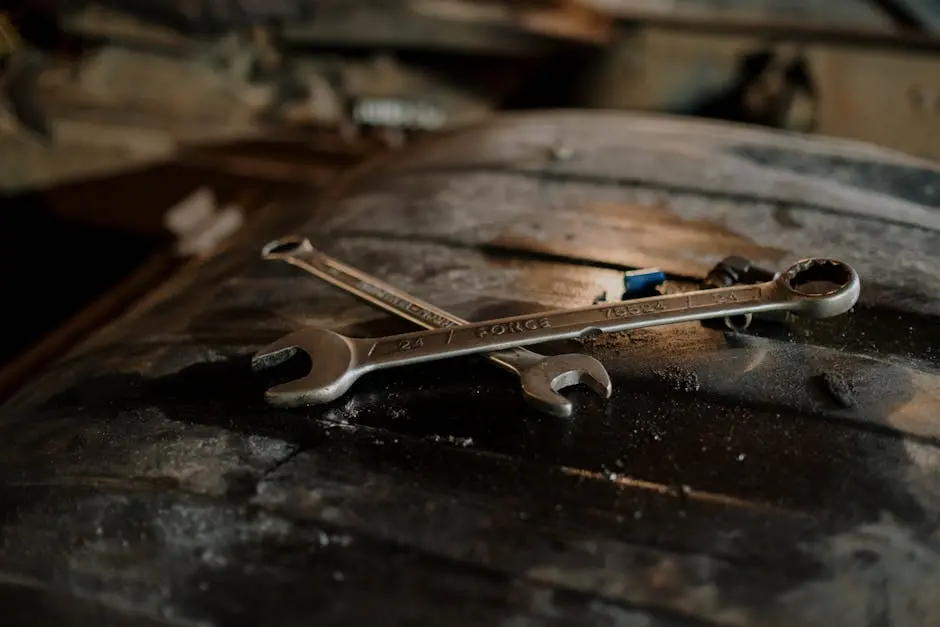
1. The Versatile Socket Set
A versatile socket set is arguably the backbone of any vehicle technician’s toolkit. It equips you with various sizes and types of sockets, accommodating multiple fasteners found throughout a vehicle. Whether you’re working on engine components or tightening bolts beneath the chassis, having the right socket is essential to ensure a proper fit and prevent damage. Not only does a versatile socket set streamline your workflow, but it can also save you from frustrating delays caused by mismatched tools.
Moreover, look for socket sets that come with a sturdy carrying case. This added feature helps keep everything organized and accessible, ensuring you don’t waste valuable time searching for the right piece when a job demands urgency. Additionally, consider investing in shallow and deep socket options; each serves unique purposes depending on accessibility and space within a vehicle structure. With so many different types of bolts and nuts in automotive applications, a high-quality socket set can help you tackle any job with remarkable efficiency.
2. A Reliable Torque Wrench
A reliable torque wrench is essential for the accurate tightening of nuts and bolts, making it a key tool for any vehicle technician. Unlike regular wrenches, which can overtighten and lead to damaged components, the torque wrench provides necessary precision. It’s particularly important when handling critical engine parts or suspension systems, where adhering to manufacturer specifications is crucial for safety.
Furthermore, many modern vehicles employ specific torque settings to prevent failures or malfunctions, underscoring the importance of this tool in your arsenal. When using a torque wrench, always remember to recalibrate it regularly to maintain its accuracy. Investing in a good quality click-type or beam-type torque wrench will pay off in the long run, contributing to superior vehicle safety and performance, ensuring you meet and exceed safety standards.
3. Multifunctional Screwdriver Set
A multifunctional screwdriver set is another indispensable item for a vehicle technician. These screwdrivers come in various sizes and types, including flathead, Phillips, and Torx, allowing for versatility in working with different fasteners. Whether you’re removing a dashboard panel or adjusting a carburetor, having the appropriate screwdriver at your fingertips can immensely speed up the process.
Moreover, some multifunctional sets even include specialty tools for specific applications, enhancing their practicality. A magnetic tip on the screwdriver is an invaluable feature as it prevents dropped screws from disappearing into tight spaces, saving you time and frustration. When selecting a screwdriver set, look for ergonomic handles that provide comfort during long jobs. The right screwdriver can make a world of difference in preserving the integrity of the parts you are working on.
4. Essential Pliers for Every Task
Essential pliers are a vital addition to the toolkit of any vehicle technician. These tools are more than just a pair of gripping utensils; they are capable of bending, cutting, and holding various materials, which makes them incredibly versatile. Slip-joint pliers, needle-nose pliers, and locking pliers each have specific applications that can arise during repairs. For instance, needle-nose pliers are perfect for reaching into tight spaces to grip wires or small components.
Additionally, investing in high-quality pliers with comfortable grips will make your work much easier, particularly during lengthy tasks. Don’t forget to keep an eye out for pliers with built-in wire cutters—this small feature can drastically reduce the number of tools you need to carry, simplifying your workflow. When it comes to vehicle maintenance, having the right pliers can save time and prevent damage, ensuring you can tackle any task at hand.
5. Heavy-Duty Jack and Stands
Heavy-duty jacks and stands are crucial for making sure you work safely and efficiently under vehicles. A reliable lift is essential when performing maintenance tasks such as oil changes, brake replacements, or exhaust repairs. Elevating a car not only gives you better access to parts but also improves safety by providing proper support to prevent accidental drops. Therefore, having a good quality hydraulic floor jack or bottle jack allows for an easy and effective lifting experience.
Once the vehicle is lifted, using sturdy jack stands is equally important for maintaining safety during repairs. Always ensure that the stands are rated for the weight of the vehicle you’re working on. Opting for adjustable jack stands can provide a range of lifting heights, perfect for different vehicle sizes and designs. Overall, investing in a heavy-duty jack and stands helps provide you with a safer, more efficient working environment that’s conducive to effective vehicle maintenance.
6. Inspection and Diagnostic Tools
Inspection and diagnostic tools are fundamental for a vehicle technician, enabling them to pinpoint issues accurately. Whether using a basic code reader or advanced diagnostic scanner, having the ability to read fault codes and assess various vehicle systems can save significant time in troubleshooting. This technology not only helps in identifying problems but also provides insights into the underlying causes, allowing for more effective repairs.
Additionally, investing in manual diagnostic tools such as multimeters and pressure gauges is essential for assessing electrical issues and fluid systems. Having a comprehensive set of diagnostic tools will greatly enhance your capabilities, allowing you to tackle problems ranging from electronic failures to mechanical troubles. Ultimately, being equipped with the right inspection and diagnostic tools makes you a more effective technician, capable of addressing a wider array of vehicle concerns.
7. Personal Safety Gear
Personal safety gear is non-negotiable for every vehicle technician. Working in an automotive environment often poses risks such as exposure to chemicals, loud noises, and heavy machinery. Having protective gear, such as gloves, safety glasses, and steel-toed boots, becomes imperative to safeguarding your health while on the job. These items are designed to absorb shock, provide grip, and shield you from hazardous materials, ensuring your well-being.
Moreover, wearing high-visibility vests and appropriate masks further enhances your safety, especially in busy workshop settings. Taking a moment to equip yourself with adequate safety gear is a proactive step toward preventing accidents and injuries. Your safety should always come first, and having the right gear not only protects you but also sets a professional standard in the workplace, fostering a culture of safety among colleagues.

Top Benefits of Regular Car Rubbing for Vehicle Health
Regular car rubbing is more than just a way to keep your vehicle looking shiny and new; it’s crucial for its overall health and performance. In this article, we’ll explore the various benefits of incorporating car rubbing into your routine maintenance schedule, ensuring your vehicle runs smoothly for years to come. Whether you’re a car enthusiast or just looking to keep your vehicle in good condition, you’ll find the insights beneficial.

Understanding Car Rubbing and Its Purpose
Car rubbing, at its core, involves applying a lubricant, whether wax or polish, to the surface of a vehicle. This not only enhances the shine but also serves as a protective barrier against environmental threats. The process helps to remove dirt and grime, which can cause scratches or dullness over time. Essentially, car rubbing is your first line of defense against wear and tear. Without it, your car’s outer layer could suffer, leading to increased maintenance costs later on.
In addition to improving appearance, understanding the purpose behind car rubbing reveals its role in extending the lifespan of your vehicle’s paintwork. By keeping the surface smooth and treated, you prevent oxidation, which can occur when a car is exposed to the elements without protection. Regular car rubbing can effectively delay this inevitable process, allowing your vehicle to retain its new appearance for much longer.
Furthermore, the technique also enriches the driving experience overall. A smoother finish not only looks attractive but can reduce wind resistance. This means less drag when driving at higher speeds, which can even contribute to improved fuel efficiency. Thus, car rubbing is not just about aesthetics; it plays a practical role in enhancing vehicle performance as well.
Enhancing Aesthetic Appeal
One of the most visible benefits of regular car rubbing is the enhanced aesthetic appeal of your vehicle. A freshly rubbed car gleams in the sunlight, drawing attention and admiration. This appeal isn’t just superficial—it’s a reflection of the care you put into your vehicle. A clean, shiny car not only enhances your pride of ownership but can create a sense of joy every time you get behind the wheel.
Car rubbing also allows you to express your personal style. Different products and techniques can produce varying effects, from a high-gloss finish to a more subdued satin look. As you learn more about car rubbing, you’ll discover how the choices you make in products and techniques highlight your vehicle’s specific features. For instance, a dark-colored car may benefit from certain waxes that bring out its depth, adding to its visual appeal.
Many people underestimate the power of a well-maintained exterior when it comes to making a first impression. Whether you’re taking it to a car meet, impressing friends, or simply enjoying a scenic drive, a well-rubbed car stands out. It speaks of the owner’s attention to detail and love for their vehicle, making it a worthwhile endeavor for anyone who values their ride.
Protecting Your Vehicle’s Paint Job
Your car’s paint job is more than just an aesthetic feature; it’s your vehicle’s defense against harmful elements. Regular car rubbing provides essential protection against UV rays, dirt, bird droppings, and tree sap, all of which can deteriorate the paint over time. By applying a coat of wax or polish, you create a barrier that prevents these elements from making direct contact with the paint, thus preserving its integrity.
Additionally, many high-quality products are formulated with ingredients that help repel contaminants, making it easier to keep your car clean. A smooth, well-rubbed surface ensures that dirt and grime do not cling as stubbornly as they would on an untreated surface. This ease of cleaning means that you can maintain your car’s appearance with minimal effort, allowing you to spend more time enjoying your vehicle rather than scrubbing at it.
Moreover, protecting your paint job isn’t only about aesthetics; it enhances your vehicle’s resale value. A car with a well-maintained exterior, free from scratches and color fading, can command a higher price when it comes time to sell. Buyers are often willing to pay a premium for vehicles that have clearly been cared for, making regular car rubbing a smart investment in the long run.
Preventing Rust and Corrosion
Rust and corrosion are the enemies of any vehicle, and regular car rubbing plays a crucial role in prevention. When dirt, moisture, and other contaminants accumulate on your car’s surface, they can find their way into tiny scratches or blemishes, creating an ideal environment for rust to thrive. By consistently maintaining your car with rubbing and protective products, you close off these potential entry points, significantly reducing the chances of rust formation.
In addition, many waxing agents contain protective additives designed specifically to combat corrosion. These products work at a microscopic level, filling in tiny pits and scratches, thereby sealing the surface of your vehicle. Not only does this provide an attractive finish, but it also fortifies your car against the elements that contribute to rust development over time.
Furthermore, car rubbing can be particularly advantageous in areas with harsh weather conditions or road salt applications during winter months. These conditions are notorious for accelerating both rust and corrosion. By incorporating regular car rubbing into your routine, you are not just enhancing the appearance of your vehicle; you are actively working to prolong its life.
Improving Resale Value
When you’re considering the resale value of your vehicle, every detail counts—and this is where regular car rubbing truly shines. A car that looks well-maintained with a vibrant, glossy finish is far more appealing to potential buyers than one that appears faded or neglected. Regular car rubbing can help you maintain that attractive appearance, setting you up for a better return on your investment.
Investing in car rubbing means you are investing in the future sale of your vehicle. Many buyers prioritize aesthetics and condition as major factors in their decision-making process. A vehicle that shows signs of consistent care will not just attract more interest; it can also potentially lead to a quicker sale. Who wouldn’t want to drive a car that looks and feels new, even if it’s several years old?
Moreover, maintenance records demonstrating regular car rubbing serve as a testament to a responsible owner. Presenting such records may even justify asking for a higher price, giving you leverage in negotiation. Buyers often feel more comfortable purchasing from someone who has taken the time to care for their vehicle, further enhancing its resale position.
Contributing to Overall Vehicle Health and Performance
The benefits of regular car rubbing extend far beyond visuals; they significantly contribute to the overall health and performance of your vehicle. A clean and polished surface reflects careful maintenance, which can lead to fewer mechanical issues. For example, preventing dirt from accumulating in crevices ensures your vehicle operates smoothly and efficiently, enhancing its longevity.
Additionally, a well-maintained exterior can have a positive impact on aerodynamics. When a surface is smooth and clean, it reduces drag, which can improve fuel efficiency. The result? Not only do you enjoy a cleaner car, but you also reap the rewards of better gas mileage, making your car rubbing efforts pay off in more ways than one.
Regular car rubbing can also prevent certain maintenance issues down the line. By maintaining a routine of vigor and cleanliness, you’re more likely to catch any minor problems early, whether they be scratches, dents, or more significant concerns. This proactive approach allows you to handle such issues before they escalate and become costlier to repair.
Choosing the Right Products for Car Rubbing
Choosing the right products for car rubbing is essential for achieving the best results. Not all waxes and polishes are created equal. Some may contain harsh chemicals that can damage the finish of your vehicle, while others will offer protective qualities and enhance shine. It is crucial to look for products specifically designed for automotive use, as they focus on providing the right balance of protection and aesthetic appeal.
Additionally, selecting a product compatible with your vehicle’s paint type is important. For example, many modern vehicles use a clear coat that requires specific types of wax or polish. By reading product labels and understanding your car’s finish, you can make informed selections that will maximize the effectiveness of your car rubbing routine. Thus, spending a few extra minutes researching products could save you from potential damage down the line.
Furthermore, don’t overlook the tools you use for car rubbing. Microfiber cloths and foam applicators can make a significant difference in the outcome of your efforts. These materials are gentle on your car’s surface while still providing the needed friction to apply the product effectively. Investing in quality tools alongside good products reinforces your commitment to maintaining your vehicle’s health.
Tips for Effective Car Rubbing Techniques
To get the best results from your car rubbing efforts, employing effective techniques is key. Start by washing your vehicle thoroughly to remove any dirt or debris that could cause scratches during the rubbing process. After washing, dry your vehicle completely, as excess water can dilute your car rubbing products and hinder their effectiveness.
When applying wax or polish, work in small sections to ensure even coverage, utilizing a circular motion. This not only helps to avoid missed spots but also works the product into the paint. Remember to read the instructions on your chosen products, as different waxes and polishes may have unique application techniques.
Finally, don’t rush the process. Allow the wax or polish to cure as per the manufacturer’s recommendations. This crucial step leads to the longest-lasting results. By taking your time and following these techniques, your regular car rubbing sessions will yield a vehicle that not only looks great but remains protected for miles to come.
Emphasizing the Importance of Regular Car Rubbing
Incorporating regular car rubbing into your vehicle maintenance routine not only enhances appearance but also contributes significantly to its longevity and performance. The benefits extend beyond mere aesthetics; a well-rubbed car can lead to a more enjoyable and efficient driving experience. So, the next time you’re thinking about skipping that car wash, remember the myriad advantages of a little elbow grease.

7 Troubleshooting Tips Your Mobile Bike Mechanic Wants You to Know
When you’re out on the road and your bike suddenly acts up, it can be frustrating. Fear not! Your mobile bike mechanic has gathered some invaluable troubleshooting tips that can help you diagnose common issues on the go. Whether you’re dealing with a flat tire, strange noises, or shifting problems, these tips will empower you to tackle minor bike dilemmas with confidence.

1. Understanding Your Bike’s Components
To effectively troubleshoot your bike, you first need to understand its key components. The frame, wheels, brakes, and gears all play essential roles in your bike’s performance. Imagine your bike as a well-orchestrated symphony; if one instrument is out of tune, the harmony will falter. Start with the basics—familiarize yourself with the structure and function of each part. This foundational knowledge will serve you well when problems arise.
Take, for instance, the importance of your bike’s chain. A well-maintained chain ensures smooth gear shifting and efficient pedaling. By regularly checking for wear and keeping it lubricated, you prolong its life and enhance your ride. Also, don’t forget to inspect your brakes often; they are crucial to your safety. If they feel spongy or unresponsive, it could be a sign that they need adjustment or replacement.
2. Recognizing Common Mechanical Issues
One of the first steps to effective troubleshooting is recognizing common mechanical issues. Unusual sounds, like clanking or grinding, can often signal that something isn’t quite right. Listen closely—does it sound like a problem with the gears? How about a potential issue with the pedals? Paying attention to these cues can save you time and effort in diagnosing the right problem.
Flat tires are another common issue that many cyclists encounter. The worst part is that they often strike when you least expect it. Learning to identify the signs of a flat, such as a sluggish ride or visible tire damage, is crucial. Additionally, observe your tire pressure regularly as this can prevent flats before they occur. Having a portable pressure gauge can help you stay prepared while out on the road.
Don’t underestimate the potential for malfunction in your bike’s shifting system. Problems can arise, particularly if the bike has been exposed to harsh weather conditions. If your gears are slipping or not engaging properly, this can lead to a frustrating ride. Ensure you regularly check the derailleurs and cables for wear and adjust accordingly. Remember, proactive maintenance is your best defense against mechanical mishaps!
3. How to Inspect Your Tires
Inspecting your tires should be part of your routine bike maintenance. Start with a visual inspection, searching for any puncture marks, cuts, or irregular wear. Keep an eye out for embedded objects like stones or glass that can cause slow leaks. A thorough examination can reveal potential issues before they become serious problems.
Next, check the tire pressure with a gauge. Inadequate pressure can lead to decreased performance and the risk of pinch flats—where the inner tube gets pinched against the rim. If you find your tires lacking, inflate them to the recommended PSI, which can usually be found embossed on the tire’s sidewall. This simple check can greatly improve your riding experience, making every pedal stroke feel smoother and more controlled.
4. Diagnosing Brake Problems
Brakes are one of the most crucial safety features on your bike. When troubleshooting brake issues, start by testing how responsive they are. Squeeze the levers gently; they should feel firm and engage quickly. If they seem weak or require excessive pulling to stop, it might be time to adjust or replace the brake pads.
Listen for any unusual noises during braking, such as squeaking or grinding. These sounds can indicate worn pads or contamination on the braking surface. In many cases, cleaning your brake pads and rims can improve performance. If you’re not comfortable doing this yourself, don’t hesitate to call a mobile bike mechanic who can help restore your brakes to optimal condition.
5. Addressing Gear and Shifting Issues
Smooth gear shifting is essential to a pleasant riding experience. If your bike is hesitating to switch gears or making skipping noises, this could point to misaligned derailleurs or stretched cables. Take a moment to inspect these components. Adjusting the limit screws on your derailleur can often fix these alignment issues.
Moreover, if you experience ghost shifting, where your bike changes gears on its own, it’s likely due to cable tension issues. Make sure to tighten or loosen the cable accordingly. Regular maintenance of your gear system will result in a more enjoyable ride, keeping you focused on the path ahead rather than wrestling with shifting troubles.
6. Handling Flat Tires Like a Pro
Flat tires are a part of cycling, but knowing how to handle them efficiently can save you time and stress. First, keep a repair kit handy that includes tire levers, a patch kit, and a portable pump. This toolbox will be your armor against the puncture monsters lurking on the roads.
When you do get a flat, find a safe place to pull over. Assess the tire for damage and use your tire levers to carefully detach the tire from the rim. Once you locate the puncture, use the patch kit as directed to seal it. Finally, inflate the tire, reattach it to the wheel, and you’re ready to ride again. This process not only prepares you for future issues but also boosts your confidence in handling unexpected repairs.
7. Knowing When to Call for Help
While many bike issues can be addressed on the go, there are times when it’s wise to know when to call for help. If you’re facing persistent problems, such as unusual noises that persist after troubleshooting or major component failure, don’t hesitate to contact a mobile bike mechanic. They have the expertise to diagnose and fix issues that might be beyond your skill set.
Additionally, during rides that take you far from home or into remote areas, consider having a mechanic’s contact information handy. This foresight can save you valuable time and headaches later. Your mobile bike mechanic is just a call away, ready to assist you when the road gets bumpy!

Why Doorstep Bike Repair Near Me is a Game Changer
In today’s fast-paced world, convenience is key, and that’s exactly what doorstep bike repair services offer. Imagine being able to get your bike repaired without having to leave your home or office. This revolutionary service is transforming the way cyclists think about maintenance and repair, making it easier than ever to keep your ride in top shape.

Understanding Doorstep Bike Repair Services
Doorstep bike repair services represent a fundamental shift in how cyclists maintain their bicycles. Traditionally, bike maintenance required a trip to a local shop, which often included waiting in line and enduring unexpected delays. However, with the emergence of doorstep services, everything changes. Customers can schedule a repair through an app or a simple phone call, and a qualified technician arrives at their chosen location. This level of accessibility is creating a new standard in bike maintenance.
The convenience of these services means that cyclists can continue their daily routines without worrying about their bike’s needs. Whether it’s a flat tire or a gear adjustment, trained professionals come equipped right to your doorstep. This not only saves time but also makes bike repair more accessible for those who live in crowded urban areas where bike shops might be few and far between.
An important aspect to consider is the rise of technology in service delivery. Many doorstep bike repair companies utilize apps that help users track their service requests and communicate directly with technicians. This integration of technology ensures a seamless experience, making it easy for cyclists to get real-time updates about their repair status.
The Convenience Factor: Why It Matters
In our busy lives, the concept of convenience directly impacts our overall satisfaction. Bike repair near me services allow cyclists to enjoy the freedom of not having to factor in travel time to a bike shop. You can go about your day—whether that means working from home, dropping the kids off at school, or simply enjoying a coffee—while a skilled technician fixes your bike right outside your door.
This convenience extends beyond just saving time. It also translates into less stress. Imagine a scenario where you realize your bike needs urgent repairs. Instead of rushing to a shop and possibly waiting hours for help, you can quickly schedule an appointment online and continue with your day. This newfound flexibility in scheduling repairs around your existing commitments is a game-changer for many riders.
Moreover, the convenience of doorstep bike repair services offers accessibility to those with mobility issues or those who might feel overwhelmed by the idea of navigating through busy streets. By bringing the service to the client, barriers are broken down, enabling everyone to maintain their bikes without a hitch.
Quality and Expertise at Your Doorstep
One common concern among cyclists when it comes to doorstep bike repair services is quality. After all, how can someone ensure that the technician arriving at their location possesses the same expertise as a shop professional? The truth is that many reputable services vet their technicians thoroughly. They require certifications and experience, guaranteeing that cyclists receive top-notch care without compromise.
In addition to trained technicians, these service providers often come equipped with all necessary tools and parts, ensuring that repairs can be completed on the spot. This not only reduces the time taken for each service but also minimizes the risk of further damage by avoiding unnecessary handling.
Furthermore, many of these technicians carry out inspections and minor maintenance tasks during their visits. This extra attention ensures cyclists leave with well-maintained bikes that are ready for the road. By providing smooth, professional service right at your doorstep, these companies exhibit commitment to quality and customer satisfaction that only enhances the biking experience.
Cost-Effectiveness of Doorstep Repairs
Cost is often a major consideration for cyclists when seeking repair options. Fortunately, doorstep bike repair services tend to be reasonably priced. By eliminating overhead costs that traditional bike shops face, such as rent and staffing, these services are able to offer competitive rates. It’s a win-win situation: the quality remains high while the prices stay low.
Moreover, when you factor in the cost of transportation to and from a bike shop, the savings continue to add up. Each trip you would have made can now be redirected towards a repair service that comes to you. This economic advantage makes lengthy repairs—like an overhaul—much more feasible, encouraging more cyclists to prioritize maintenance.
Some of these services also offer subscription models or packages, allowing avid cyclists to invest in regular upkeep at a discounted rate. This proactive approach to maintenance not only keeps bikes in optimal condition but also reduces the risk of more costly repairs in the future.
Environmentally Friendly Practices
As society shifts towards sustainability, it’s important to consider the environmental impact of bike repair services. Doorstep bike repair is, surprisingly, a more eco-friendly option. By reducing the need for personal vehicles to transport bikes to shops, we lessen our carbon footprint. Furthermore, many of these services are committed to environmentally responsible practices by using sustainable parts and materials.
Additionally, servicing bikes at home means that technicians can implement practices like recycling old parts and properly disposing of waste materials. This mindful approach not only helps the environment but also aligns with the values of many cyclists who are passionate about sustainability.
This focus on eco-friendliness can also appeal to a broader audience who may not have considered bike repair services in the past. Ecologically conscious consumers are increasingly looking for services that align with their values, and doorstep repair companies are at the forefront of this movement.
Customer Experiences and Testimonials
Customer experiences reveal much about the impact of doorstep bike repair services. Many users have expressed gratitude for the sheer convenience these services provide. Anecdotal evidence suggests that cyclists who once dreaded bike maintenance now consider it a stress-free part of their routine. With glowing reviews highlighting timely arrivals and exceptional service, it’s clear that customer satisfaction is a top priority.
For instance, a recent user shared how their technician not only fixed a flat tire but also educated them on how to perform basic maintenance tasks. Such testimonials underline the personalized nature of these services, where customer engagement enhances the experience beyond simple repairs.
The positive feedback often extends to the flexibility offered by these companies. Many cyclists have noted how accommodating technicians are—working around schedules as necessary and taking time to explain the work being performed. This focus on customer service fosters a sense of trust, ultimately encouraging more cyclists to take advantage of doorstep repairs.
Finding Reliable Bike Repair Near Me
As the popularity of doorstep bike repair services grows, finding reliable options has become easier. A simple online search for ‘bike repair near me’ can yield numerous local services that prioritize customer satisfaction. However, it’s crucial to do a bit of homework before choosing a provider. Checking reviews, testimonials, and service offerings can help ensure you select a service that aligns with your needs and values.
Moreover, many services have built a reputation over time, often reflected in their consistent customer base and positive referrals. Engaging with local cycling communities can also provide recommendations. Whether via social media groups or local meetups, fellow cycling enthusiasts are often a great resource for identifying reliable doorstep bike repair options.
Ultimately, ensuring the quality and reliability of your chosen service can enable a superior maintenance experience. By prioritizing recommendations and doing a little research, you can find a trustworthy doorstep bike repair service that makes the process as efficient and enjoyable as possible.
Embracing the Future of Bike Maintenance
Doorstep bike repair services are not just a trend; they are a revolutionary solution that brings convenience and peace of mind to cyclists. By eliminating the hassle of traveling to a shop, these services save time and provide a more personalized touch. As more cyclists embrace this game-changing option, it’s clear that doorstep bike repair is here to stay.
The emergence of doorstep bike repair signifies a pivotal shift in the realm of bike service. These services not only enhance convenience but also foster a more tailored maintenance experience for cyclists. As the demand for efficient bike repair options continues to grow, investing in a reliable doorstep service can significantly improve the overall upkeep of your bicycle. This innovative approach allows cyclists to focus more on their passion and less on the logistics of maintenance.
How Does Professional Car Care Improve the Life of Your Vehicle?
Caring for your vehicle is essential to ensuring its longevity and performance. Professional car care provides the expertise and tools necessary to maintain your vehicle in top condition. In this FAQ, we will explore how professional car care can improve the life of your vehicle and the benefits it offers.
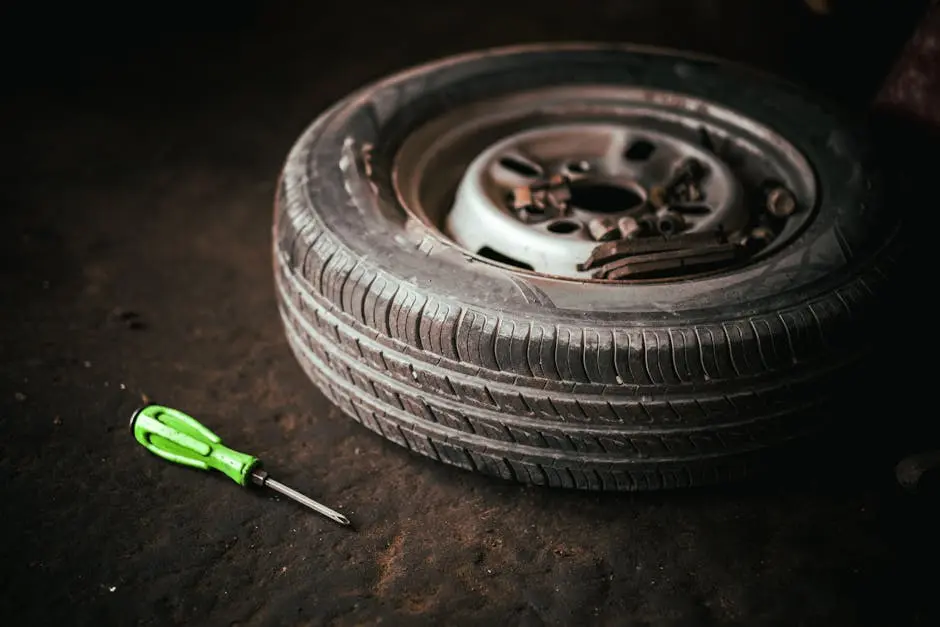
Understanding the Importance of Regular Maintenance
Regular maintenance is the cornerstone of vehicle longevity. Just like a healthy diet and exercise keep our bodies in top shape, consistent care ensures your car runs smoothly for years. Skipping on maintenance can lead to severe issues down the road.
Over time, wear and tear can take a significant toll on your vehicle’s performance and appearance. By adhering to a maintenance schedule provided by professionals, you can identify and address potential issues before they escalate into expensive repairs. This proactive approach not only extends the life of your vehicle, but it also enhances its safety on the road.
Many drivers overlook systems like the brakes and engine until they experience a problem. Regular check-ups allow mechanics to inspect these vital components, ensuring they function as intended. Trust me, keeping your vehicle regularly maintained can save you substantial amounts of money in the long run.
Benefits of Professional Inspections
Professional inspections play a crucial role in maintaining the health of your vehicle. Trained specialists have the knowledge and tools to detect issues that might go unnoticed by the average driver. They can spot minor problems and recommend solutions before they become major headaches.
Moreover, a professional car inspection provides peace of mind. Knowing that your vehicle has been thoroughly checked not only makes you feel safer but can also allow you to enjoy your rides without the nagging worry of potential failures.
Another significant benefit is that regular professional inspections can keep your vehicle compliant with manufacturer warranties. Many manufacturers require a specific maintenance schedule to keep the warranty valid. Following these guidelines not only protects your investment but also can provide additional resale value down the line.
In essence, investing in professional inspections is an investment in your vehicle’s life and your peace of mind.
Quality Repairs and Service
When you entrust your vehicle to a professional car care service, you’re guaranteed quality repairs and exceptional service. Professional mechanics utilize industry-standard tools and products, ensuring your vehicle receives upkeep that meets or exceeds manufacturer specifications.
Quality service not only addresses immediate issues but also contributes to overall performance. For instance, using high-quality oils and fluids can improve engine efficiency and prolong life. When repairs are conducted with precision and care, they diminish the likelihood of recurring problems.
Choosing a professional service means accessing expertise that goes beyond just fixing what’s broken. It includes ongoing support and advice tailored to your vehicle’s specific needs—helping to maintain not only functionality but also value.
Preserving Your Vehicle’s Value
What many don’t realize is that effective professional car care plays a pivotal role in preserving your vehicle’s value. Just like how maintaining your home’s curb appeal can impact its price, a well-cared-for vehicle holds its value better over time.
Regular maintenance and thorough detailing can significantly enhance your vehicle’s cosmetic and mechanical condition, which is attractive to future buyers. Vehicles that present a clean and well-maintained image are much more likely to command a higher price on the resale market.
Additionally, documenting your professional car care history creates a strong selling point when it’s time to part ways with your vehicle. Buyers appreciate transparency regarding past maintenance, knowing they’re purchasing a vehicle with proven care.
In conclusion, professional car care doesn’t just improve your vehicle’s performance; it is an integral part of ensuring you get the value you deserve at resale.
Final Thoughts on Professional Car Care
Investing in professional car care is not just about immediate fixes; it’s an investment in the future of your vehicle. Regular maintenance and expert care can lead to a longer lifespan, better performance, and significant savings in the long run.
Moreover, utilizing services such as bike service near me ensures that all aspects of your vehicle are attended to by skilled professionals, enhancing both safety and reliability. This attention to detail not only elevates the driving experience but also contributes to maintaining the vehicle’s overall value. Ultimately, a commitment to professional car care is essential for preserving your investment and promoting longevity in performance.
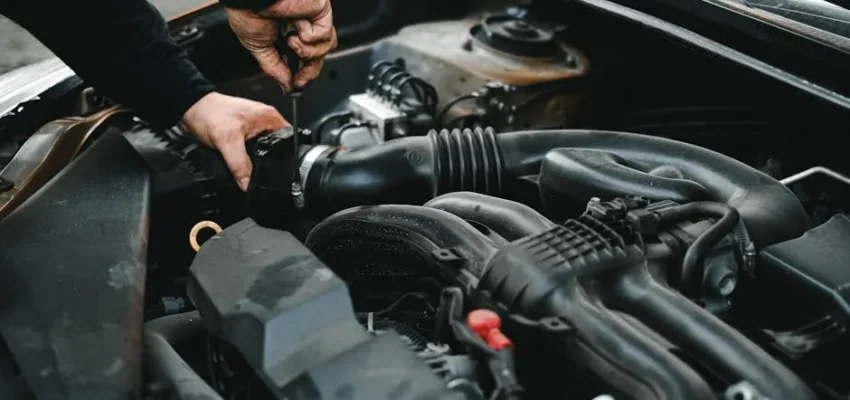
10 Benefits of Booking an Online Mechanic for Your Car
In today’s fast-paced world, convenience is key, especially when it comes to car maintenance. Booking an online mechanic offers a range of benefits that can simplify your life while ensuring that your vehicle remains in top condition. From saving time to enhancing transparency, this guide will explore why opting for an online mechanic is becoming the go-to choice for car owners everywhere.
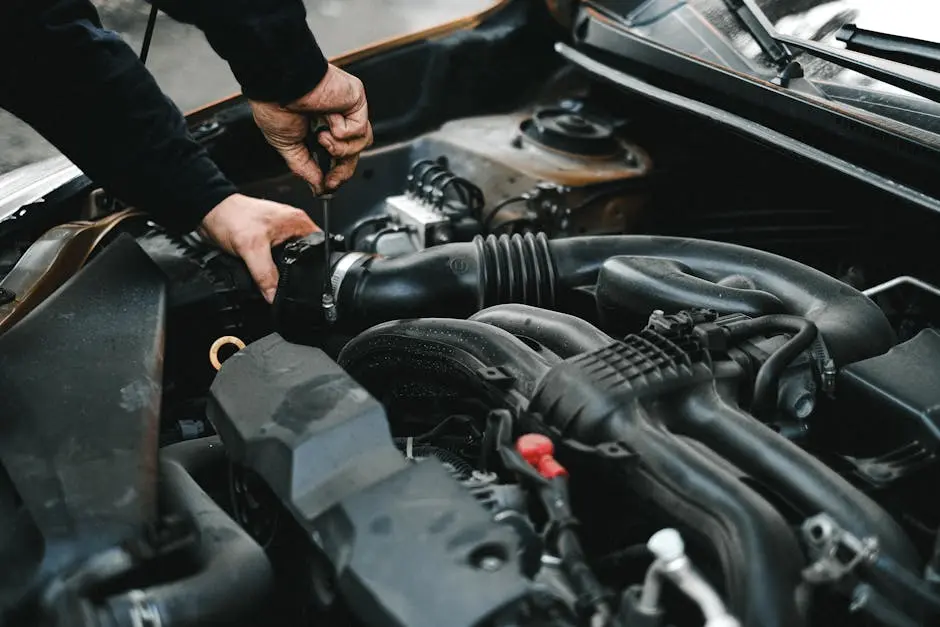
1. The Convenience of Remote Consultations
One of the primary advantages of booking an online mechanic is the sheer convenience of remote consultations. Instead of trekking to a garage, you can simply chat with a mechanic via video call or instant messaging from the comfort of your home. This means no more waiting in long queues or fitting car maintenance into your busy schedule. You can get your car evaluated, ask questions, and receive expert advice without ever leaving your living room.
Moreover, remote consultations allow you to connect with specialists who may not be available locally. This means you have access to a broader pool of expertise, ensuring that your vehicle receives the best possible care. Plus, if you have a specific issue, you can easily share images or videos of the problem, providing the mechanic with critical context that can lead to a more accurate diagnosis.
2. Cost-Effective Solutions for Everyday Drivers
Booking an online mechanic can often be more cost-effective compared to traditional garages. With lower overhead costs, online mechanics can pass the savings on to you. Whether it’s a simple oil change or more complex repairs, you might find that online services often have transparent pricing structures, allowing you to understand what you’re paying for without hidden fees.
Additionally, many online mechanics provide free estimates, enabling you to compare prices and services before making a commitment. This not only helps you budget better but also empowers you as a consumer. With the ability to shop around for the best deal, you get the advantage of informed decision-making, allowing you to keep more money in your pocket.
3. Access to Expert Mechanics Anytime
With an online mechanic, expertise is just a few clicks away, available at any time that suits you. This immediate access is a game-changer, particularly for those who lead busy lives and can’t afford to wait for typical business hours. Whether it’s late at night or early in the morning, help is just a message away, which makes car maintenance far less stressful.
Furthermore, many online mechanics offer dedicated customer support. This means that if you run into a question or need guidance post-repair, there’s a qualified professional ready to assist you. The reassurance of having someone knowledgeable at your fingertips fosters trust and encourages you to stay on top of your car’s maintenance needs.
4. Transparent Pricing and Services
Transparency is a hallmark of online mechanics, providing you with clarity regarding pricing and services. When you schedule an appointment, you receive a detailed breakdown of anticipated costs upfront, removing the guesswork and surprise charges often associated with traditional repair shops. This transparency allows for smarter budgeting and fosters a trustworthy relationship with your service provider.
In addition to clear pricing, many platforms allow you to see reviews and ratings from previous customers, giving you insight into the quality of service you can expect. This peer validation is invaluable when selecting a mechanic, ensuring you choose someone with a proven track record rather than taking a chance on an unknown, often riskier option.
5. Enhanced Communication and Updates
The relationship between a car owner and their mechanic is heavily reliant on communication, and this is where online mechanics excel. They typically offer multiple channels for getting in touch, including email, chat, and video calls, allowing you to communicate in the manner you find most comfortable. This level of accessibility ensures that you are always kept in the loop about your vehicle’s status, reinforcing a sense of trust and reliability.
Additionally, many online mechanics provide regular updates through text or email. This means you won’t be left wondering about the status of your car repairs; instead, you’ll receive timely notifications about what’s happening, allowing you to plan accordingly. This proactive communication model not only reduces anxiety but also enhances your overall experience.
6. Scheduling Flexibility to Fit Your Lifestyle
Online booking brings an unparalleled level of scheduling flexibility that traditional mechanics often can’t match. You can make appointments at times that work for you, whether that’s during your lunch hour, after work, or even on the weekend. This adaptability means you don’t have to disrupt your routine to take care of your vehicle.
Furthermore, the convenience of 24⁄7 scheduling allows you to find the right time for both car maintenance and personal commitments. You can quickly book an appointment without the pressure of calling during standard office hours or having to wait on hold. This ease is especially beneficial for families or busy professionals who juggle multiple responsibilities.
7. Comparing Multiple Quotes Easily
The ability to compare quotes from various mechanics is another significant advantage of online services. This comparison shopping empowers you to ensure that you’re receiving the best value for the work needed on your vehicle. You can analyze each quote, looking at detailed breakdowns of services and parts, which helps you make informed decisions without feeling rushed.
Additionally, since these comparisons are made easily online, you can take your time to review each option. This thorough approach minimizes the risk of car owners overpaying or settling for subpar service, as the consumer’s overwhelming power thrives in the online mechanic arena.
8. Convenience of Mobile Mechanics
The rise of mobile mechanics as part of the online mechanic solution has changed the game for many car owners. These professionals can come directly to your location, whether at home or work, for repairs and maintenance. This level of service eliminates the hassle of driving to a garage, waiting for your vehicle to be serviced, and then having to return to pick it up.
Mobile mechanics are especially advantageous for minor repairs or routine maintenance tasks. Imagine getting an oil change or tire rotation while you work—time efficiency at its finest! The convenience of mobile service not only saves you time but also gives you the opportunity to continue with your day without interruption.
9. Post-Service Support and Resources
After a service is completed, support doesn’t just stop there; online mechanics often provide extensive post-service support. This may include follow-up calls or messages to ensure that everything is functioning as it should be, giving you peace of mind after the repair. Moreover, many online services offer additional resources such as maintenance tips, warranty information, and troubleshooting guides, thus turning a one-time mechanic visit into an ongoing resource.
Such comprehensive follow-up care is increasingly valuable in a world where cars are complex machines that require regular attention and understanding. By maintaining a dialogue with your online mechanic, you are better equipped to manage your vehicle’s needs, from recurring maintenance to unexpected repairs.
10. Building a Relationship with Your Mechanic Online
Finally, one of the more subtle benefits of utilizing an online mechanic is the ability to build a relationship over time. As you continue to engage with the same mechanic for your car’s needs, they begin to understand your vehicle’s history and any specific quirks it may have. This familiarity can lead to more personalized service, as your mechanic is better equipped to offer targeted advice and proactive solutions.
Additionally, many platforms allow you to leave feedback and reviews, which fosters a community feel. You can share your experiences, helping others make informed decisions while also contributing to an environment where mechanics strive to improve their services. Building a rapport with your online mechanic not only enhances your customer service experience but also transforms car maintenance into a more pleasant endeavor.

10 Essential Bike Repair Tips to Extend Your Ride’s Lifespan
Taking care of your bike is essential for ensuring it lasts for years to come. Whether you’re a casual rider or an avid cyclist, knowing how to handle some basic repairs can save you money and allow you to enjoy your rides without any interruptions. In this article, we’ll go through some crucial bike repair tips that every cyclist should know to keep their bike in top shape.
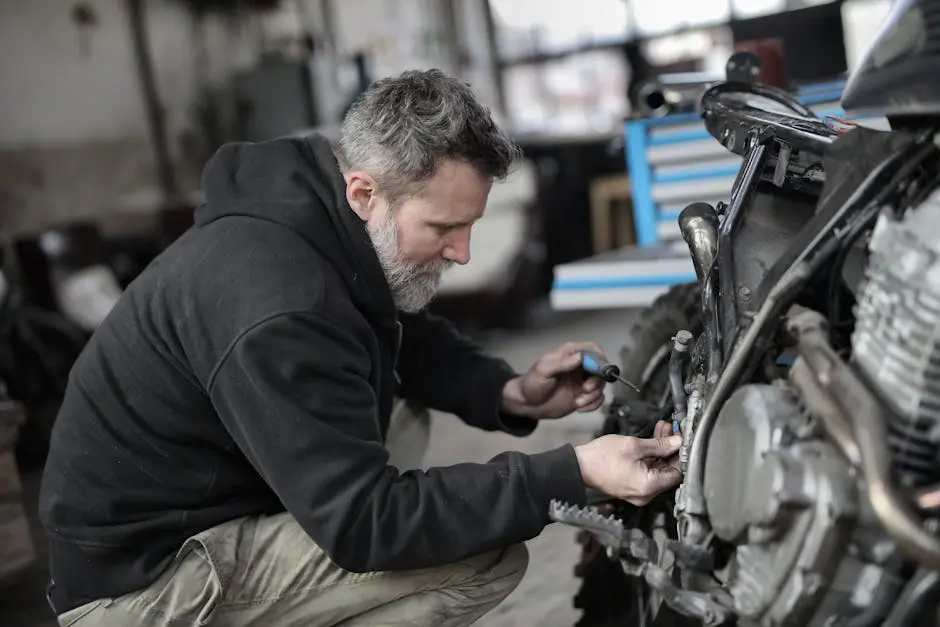
1. Regularly Check Tire Pressure
Maintaining the right tire pressure is crucial for both your safety and your bike’s performance. Tires that are either overinflated or underinflated can greatly affect how your bike rides. A simple way to ensure your tires are at the correct pressure is to check them before every ride. Most bike tires will have the recommended pressure printed on the sidewall. It’s a good idea to invest in a reliable tire pressure gauge to make this task easier.
When you notice tire pressure is low, it’s often a sign that there might be a slow leak, which can be tricky to identify. A quick diagnostic trick is mixing a solution of soap and water and applying it to the tire. Bubbles will form where there’s a leak, allowing you to pinpoint the issue efficiently. By taking this small step, you can avoid unpleasant surprises during your ride.
2. Clean and Lubricate Your Chain
The bike chain is often referred to as the heart of your bike’s drivetrain and deserves regular attention. A clean and well-lubricated chain ensures smooth shifting and efficient power transfer, enhancing your overall riding experience. Start by using a degreaser and a brush to scrub away dirt and grime. Listen to your chain! It will tell you when it’s feeling dry; a squeaky sound is a clear indication that it needs lubrication.
Once cleaned, apply a suitable bike chain lubricant using a precision applicator to avoid over-saturation, which attracts more dirt. Wipe off any excess lubricant with a clean cloth. Many cyclists recommend doing this process about once a month, although if you frequently ride in wet or muddy conditions, you might want to do it more often. A clean chain not only prolongs its life but improves your bike’s performance on the road.
3. Inspect Brakes for Wear and Tear
Your brakes are your safety net while riding, making regular inspections non-negotiable. Begin by checking the brake pads for wear; if they appear shiny or thin, it’s time for a replacement. Squeaky brakes can also indicate they need attention, perhaps from dirt buildup or worn pads. A simple visual check can sometimes reveal a lot about their condition.
Don’t forget to inspect the brake cables as well. Frayed or rusted cables can lead to brake failure during critical riding moments. Adjusting the tension may be necessary if your brakes feel loose or unresponsive. A little attention to your brakes can keep you secure on the road and gives you peace of mind while you ride.
4. Tighten Loose Components
Over time, the vibrations from riding can cause components on your bike to loosen, which is why it’s essential to check bolts and fasteners regularly. Be sure to check the handlebars, seat post, and even the pedals for any signs of loosening. A simple multitool can help you tighten any loose parts quickly, preventing what could become a more significant issue during your ride.
Regular checks can also prevent annoying rattles and ensure that your bike is in top racing shape. Perform these checks before long rides or competitions to guarantee your bike is safe and reliable. Not only does this enhance performance, but it also gives riders the confidence to focus on the road ahead without worrying about potential mechanical issues.
5. Give Your Gears a Tune-Up
Having precise shifting is vital for an enjoyable ride. Misaligned gears can lead to unnecessary wear and tear, as well as an overall frustrating experience. One way to identify if your gears need tuning is to pay attention during your rides; if you hear grinding or if it hesitates when shifting, it’s time for a tune-up. Make it a point to check your derailleur and cables for any adjustments.
You can often adjust the limit screws on the derailleur to prevent the chain from falling off. Another tip is to ensure the cable tension is just right. This adjustment can be achieved through the barrel adjuster located on the derailleur. Keeping your gears in tune enhances the power transfer from your legs to the wheels, improving your cycling efficiency. Every little tweak you make can enhance the pleasure of your biking experience.
6. Replace Worn Out Tires
Tires are your bike’s only contact with the surface, so having a good set of tires is crucial. Regularly check the tread on your tires; if it looks worn down or you see any exposed threads, it’s time for a replacement. Riding on slick tires can not only make for a tough ride but also put you at risk of accidents, especially in wet conditions.
When choosing new tires, consider the type of terrain you often ride. Road tires differ from mountain bike tires in terms of grip, durability, and design. Additionally, do not forget to maintain the pressure as discussed earlier. Keeping your tires in good condition ensures a better grip and aids in proper handling, leading to a much safer ride.
7. Inspect and Replace Cables
Cables are often the unsung heroes in bike mechanics, playing a crucial role in braking and shifting. Over time, cables can fray, rust, or stretch, which compromises their performance. Check your cables for signs of wear approximately once a month. If you notice any visible damage or feel inconsistencies in your braking or shifting, it’s time to consider replacing them.
Replacing cables can be a straightforward process. Most bike shops offer guidance if you’re unsure, or you can look up tutorials online. After replacing, be sure to properly tension the new cables so they function correctly. Keeping your cables in top condition contributes greatly to your bike’s overall responsiveness, ensuring each ride is smooth and predictable.
8. Check Wheel Alignment and True Them
Wheels that are not true can lead to an uncomfortable ride and reduced efficiency. A quick visual check can help you see if your wheels are aligned properly by spinning them and observing how they track. If you notice any noticeable wobbling, your wheels may need truing, a process that can often be performed at home or with a local bike shop’s assistance.
Truing involves adjusting the tension of the spokes to ensure the wheel spins evenly. If you’re not comfortable doing this yourself, don’t hesitate to consult a professional. Also, inspect the hub for any loose components and tighten as needed. Ensuring your wheels are properly aligned enhances safety, performance, and overall ride quality.
9. Keep Your Frame Clean and Protected
A clean bike not only looks great but also prevents corrosive substances from damaging your bike’s frame and components. Cleaning your bike should be a regular part of your maintenance routine. Use a mild soap and warm water to wash it down, being careful around sensitive parts like the brakes and gears. Don’t forget to dry it properly afterward. A clean frame helps you keep an eye on any potential damage or wear.
Additionally, consider applying a protective wax or sealant after cleaning, which can help guard against dirt and grime. For those who frequently store their bike outdoors, using a bike cover can further protect the frame from the elements. A well-maintained frame will prolong the longevity of your bike, ensuring it stays beautiful and functional for years to come.
10. Learn How to Fix a Flat Tire
Flat tires can happen to anyone, and knowing how to fix one ensures that you won’t be stranded during your ride. Start by carrying a spare tube, tire levers, and a portable pump with you. If you find yourself with a flat, locate the puncture, remove the tire, and replace the tube. Make sure to check the inside of the tire for any sharp objects before installing the new tube.
Practicing this process at home can boost your confidence for when you’re out on the road. Additionally, many modern tubes come with a self-sealing option, offering peace of mind for isolated adventures. Each time you replace a tube, you’re not only fixing the immediate problem but also becoming more self-reliant and knowledgeable about your bike’s mechanics.

Common Signs Your Car Needs an Engine Oil Service
Maintaining your vehicle is essential for ensuring its longevity and performance, and one of the most important aspects of car maintenance is regular engine oil service. In this blog post, we’ll explore some common signs that indicate your car needs an oil change, helping you to keep your vehicle running smoothly and efficiently.
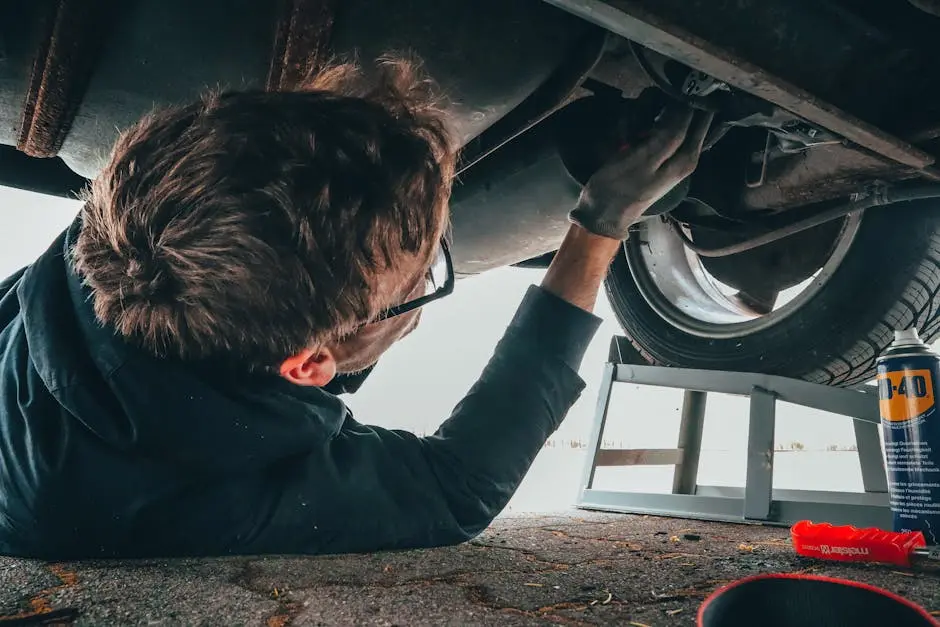
Understanding the Importance of Engine Oil Service
Engine oil plays a critical role in the health of your vehicle’s engine by providing lubrication, reducing friction, and aiding in cooling. Over time, this oil can become contaminated with dirt, debris, and combustion byproducts. Understanding the importance of engine oil service means recognizing that neglected oil changes can lead to severe engine wear or even complete failure. Regular oil service not only helps maintain the integrity of your engine but can significantly enhance fuel efficiency, leading to a smoother driving experience.
Moreover, regular engine oil service is essential for ensuring that your vehicle meets the necessary emissions standards. With stricter regulations in place, keeping your engine clean with fresh oil can help you avoid hefty fines and ensures your car remains environmentally friendly. By investing time and resources in your engine oil, you’re also investing in the overall performance and longevity of your vehicle.
In essence, making engine oil service a priority is an investment in your vehicle’s health, performance, and your peace of mind on the road. Ignoring this vital aspect of car maintenance can lead to unexpected breakdowns and costly repairs down the line.
Warning Lights on Your Dashboard
One of the most immediate signs that your car might need an engine oil service is when a warning light illuminates on your dashboard. Modern vehicles are equipped with sophisticated monitoring systems that alert drivers to potential issues. The oil pressure light, in particular, signals it’s time to take action. Ignoring this warning could lead to serious engine damage, as it indicates that your oil levels may be low or that there is an issue with oil circulation.
In addition to the oil pressure light, the check engine light can indicate various issues, including those relating to engine oil quality. This light can sometimes be alarming, but it’s crucial to diagnose the exact cause. Immediate attention could save you from more significant problems down the road. If these warning lights appear, don’t delay; schedule an engine oil service as soon as possible.
Keeping an eye on your dashboard lights is essential. Remember, your dashboard serves as the communication hub between you and your vehicle. Every warning light that flashes is your car’s way of telling you that it needs help!
Unusual Engine Noises
Another tell-tale sign that your car requires an engine oil service is the presence of unusual noises emanating from your engine. If you notice sounds like knocking, grinding, or a high-pitched whine, these could be indicative of low oil levels or dirty oil failing to lubricate the engine components effectively. Ignoring these symptoms can lead to severe and potentially irreversible damage.
Additionally, one consistent noise you might hear when your oil is low is a loud tapping sound when you start the engine. This noise typically results from the lack of lubrication in the upper engine components. If you are attuned to your vehicle’s normal sounds, any deviation should raise a red flag. Catching these signs early can prevent a small issue from snowballing into a more expensive repair.
Paying attention to your engine’s acoustics is an important part of vehicle maintenance. Engaging your senses in this way not only helps diagnose potential car troubles earlier but can also save you both time and money in the long run.
Excessive Exhaust Smoke
If you start noticing excessive exhaust smoke when driving, it is not just an aesthetic concern; it may be a signal that your car needs an engine oil service. Dark smoke can indicate that your engine is burning oil, while bluish smoke can suggest that your engine is operating with insufficient lubrication due to old or degraded oil. This situation not only affects performance but could cause further complications if ignored.
It’s also worth noting that white smoke can point towards a coolant leak into the engine, which could pose more significant problems. Regardless of the smoke’s color, if you see an abnormal amount, it’s advisable to schedule an engine oil service immediately to clarify the issue and prevent further damage.
Being vigilant about the color of your exhaust smoke can provide essential insight into your vehicle’s health. Regular review and timely intervention are key to maintaining your engine’s performance and preventing potential breakdowns.
Oil Change Interval Has Passed
Every vehicle has a recommended oil change interval, typically outlined in the owner’s manual. Failing to adhere to this schedule is one of the most common oversights new car owners make. It might seem harmless to delay an oil change, particularly if your vehicle seems to be running smoothly, but this could lead to a buildup of grime and contaminants that can damage your engine over time.
Many manufacturers advocate for regular oil changes every 5,000 to 7,500 miles, but this can vary based on factors such as driving habits, oil type, and vehicle age. If your last oil change has come and gone without any action, it’s time to make that appointment. Additionally, note that extreme driving conditions, like stop-and-go traffic or towing heavy loads, can necessitate more frequent oil changes.
Delaying an oil change not only diminishes your engine’s performance but could also void warranties on newer models. Checking your odometer regularly and planning your service intervals can help keep your engine in optimal condition.
Low Oil Levels
Low oil levels are an obvious but critical sign that your car requires an engine oil service. Modern vehicles are designed with oil dipsticks that allow you to check the oil level easily. If the level is below the recommended mark, it signifies that you should either add oil or schedule a service. Running an engine on low oil can lead to substantial wear on its internal components over time, making it a situation you shouldn’t take lightly.
If you frequently find that your oil levels are low, this may be a sign of a leak or that old oil is burning off too quickly. This is where monitoring your oil consumption can be beneficial. Keeping an eye on how much oil your vehicle consumes can help you identify problems early and maintain engine health effectively.
Ensuring your oil levels are consistently within the recommended range is an essential part of vehicle upkeep. Regular checks can prevent performance decline and extend the life of your engine, saving you money on repairs in the long run.
Contaminated Oil Appearance
The appearance of your engine oil is another vital indicator of whether you need an oil service. Fresh oil is a clear amber color, whereas used oil takes on a darker hue as it becomes contaminated with dirt, soot, and other impurities. When you remove the oil dipstick and notice that your oil appears black or gritty, it’s a sure sign that your engine oil needs changing.
Additionally, if you spot any metallic particles mixed in with your oil, it’s a strong indicator that your engine is suffering from wear and tear. This could suggest that essential components are breaking down, which could lead to severe engine issues if not addressed immediately. In such cases, not only should you conduct an oil change, but also have a professional inspect your engine.
Regularly checking the condition and appearance of your oil can save you from rising repair costs. Observing changes early can help maintain engine efficiency and uphold the value of your vehicle over time.
Keeping Your Engine Healthy
Regularly monitoring the signs that your car needs an engine oil service is crucial for preventing long-term damage and maintaining optimal performance. By staying attentive to these indicators, you can ensure your vehicle runs smoothly and efficiently for years to come.